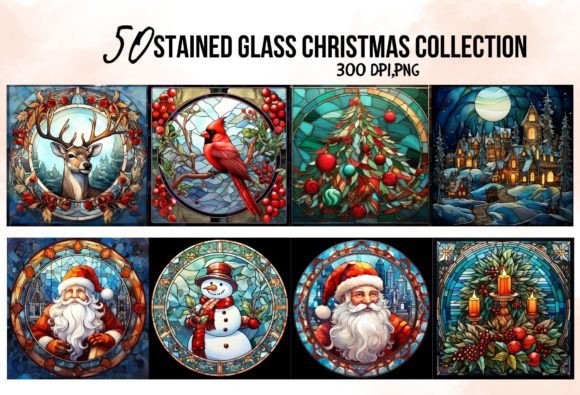
Stained Glass Christmas Sublimation: A Designer’s Review
As a designer who spends more time scrutinizing stitch lines than enjoying the finished product, I approach every new machine embroidery design with a healthy dose of skepticism. The holiday season is particularly brutal for our craft; the market is flooded with generic snowflakes and repetitive Santa motifs that often lack soul or technical finesse. That is why when I first laid eyes on the Stained Glass Christmas Sublimation file, I paused. It didn’t scream “mass-produced clip art.” Instead, it whispered of boutique craftsmanship and intentional detail. This review isn’t just about whether the file stitches out cleanly—it’s about whether this embroidery project can hold its own in a competitive marketplace like Etsy or at a local craft fair.
First Impressions: Mood and Visual Personality
The moment you import the digital embroidery file into your software, the layout commands attention. The Stained Glass Christmas Sublimation design leans heavily into the aesthetic of cathedral windows, utilizing sharp geometric breaks and vibrant color blocking to mimic leaded glass. For an illustrations category entry, it feels less like a simple icon and more like a structured piece of art. The visual personality is elegant yet festive, striking a balance between traditional holiday warmth and modern graphic design trends.
What stands out immediately is the clever use of negative space. In embroidery, negative space is your best friend when dealing with complex shapes. Here, the “lead lines” act as natural separators between color fields, preventing the dreaded “color bleed” effect where adjacent threads merge into a muddy mess. This design understands the medium. It doesn’t try to be a photorealistic painting; it embraces the stylized nature of thread work. For custom apparel decorators looking to elevate their holiday embroidery offerings, this mood is exactly what separates a hobbyist’s attempt from a professional finished product.
Real-World Application: From Hoop to Handmade Product
I decided to test this design not on a standard cotton twill, but on a slightly textured cream-colored canvas tote bag—a common request for Etsy seller clients who want durable, reusable gift items. The choice of fabric was deliberate. Textured fabrics can eat up fine details, so if a design fails here, it will fail everywhere.
The result was surprisingly crisp. The Stained Glass Christmas Sublimation design utilized a mix of satin stitch for the outlines and fill stitch for the colored panes. On the light background, the contrast was excellent. However, I noticed that the smaller triangular “glass” pieces required a higher density setting to ensure opacity. If you are planning to turn this into a tote bag design for commercial sale, you must pay attention to the stitch density. Thinning out these areas too much will result in a see-through patch that loses its structural integrity and visual impact.
I also experimented with placing this design on a dark navy sweatshirt. This is where the true test of an embroidery file begins. Dark backgrounds demand careful consideration of thread colors and underlay stitches. Without a proper white or light-colored underlay, the bright reds and greens of the stained glass would have looked dull and sunken into the fabric texture. With the correct stabilizer and underlay, however, the design popped. It transformed the sweatshirt from a basic garment into a statement piece, perfect for a small shop product targeting customers who want unique personalized gifts.
Where Caution Is Required
No design is without its pitfalls, and Stained Glass Christmas Sublimation is no exception. While it shines on flat surfaces like aprons, pillow covers, and tea towels, it requires careful handling in other scenarios.
- Small Hoop Sizes: Attempting to digitize or stitch this on a very small hoop (under 4x4 inches) is risky. The intricate corners and thin lead lines may become indistinguishable blobs of thread. Keep the scale generous.
- Stretchy Fabrics: If you are applying this to leggings or fitted baby clothes, the tension of the fill stitches might pucker the fabric. Always use a cut-away stabilizer for stretchy materials to maintain the clean lines of the applique design feel.
- Curved Surfaces: Putting this on a cap or hat is possible, but difficult. The geometric symmetry of stained glass looks best on flat planes. On a curved brim or crown, the angles may distort, making the “window” look warped. Proceed with caution and do a mockup first.
- Dense Stitch Areas: As mentioned, the fill areas are dense. On thin fabrics like silk or lightweight polyester, this weight can cause the fabric to sag or tear over time, especially after frequent washing. Stick to medium-to-heavy weight fabrics for longevity.
Impact on Brand Consistency and Customer Trust
For craft business owners, the difference between a good design and a great one often comes down to perceived value. A poorly stitched generic snowflake says “discount bin.” A well-executed Stained Glass Christmas Sublimation design says “boutique quality.” When customers receive a handmade product that shows such clear intentionality in its stitching, their trust in your brand increases. They perceive the item as worth a higher price point because the effort and skill are visible.
This design also lends itself beautifully to printable mockups for digital marketing. Because of its strong graphical structure, it photographs well against various backdrops—think rustic wood tables, faux fur throws, or minimalist white walls. This versatility helps creative entrepreneurs create cohesive social media content that highlights the design assets effectively before the physical item is even shipped.
Practical Notes for the Embroidery Designer
Before you rush to produce fifty units for a holiday pop-up market, take these practical steps to ensure success:
- Test on Scrap Fabric: Never assume a design will stitch perfectly on your final material. Test on the exact fabric type and color you plan to sell.
- Check Thread Contrast: Evaluate your thread colors against the fabric. Light threads on light fabric can disappear; dark threads on dark fabric can look heavy. Adjust your palette accordingly.
- Inspect Small Details: Zoom in on the digitized file. Are the tiny triangles stable? Do they need additional tack-down stitches? Inspect these details to prevent unraveling.
- Verify Licensing: This is critical. Confirm whether you have the right to sell commercial embroidery items made from this file. Some digital products are for personal use only. Protect your small business by reading the license terms carefully.
- Use Proper Stabilizer: The stability of the embroidery project relies heavily on the support underneath. Use a high-quality tear-away or cut-away stabilizer appropriate for your fabric weight.
Final Verdict
The Stained Glass Christmas Sublimation design is a standout addition to any holiday library. It avoids the trap of being overly busy while still offering enough detail to feel luxurious. It works exceptionally well for baby embroidery projects like christening gowns or nursery wall hangings, where the soft, pastel interpretations of the stained glass theme shine. It also serves as a sophisticated choice for aprons and kitchen towels, adding a touch of elegance to everyday kitchen tasks.
For apparel decorators and makers looking to expand their holiday gift inventory, this file offers a blend of artistic merit and technical feasibility. It respects the limitations of the machine while pushing the boundaries of what a standard holiday motif can be. Just remember to respect the stitch density, choose your fabric wisely, and always prioritize quality control. When done right, this design doesn’t just decorate fabric—it tells a story, turning a simple finished product into a cherished keepsake.